
Driving traffic to a website or landing page has become increasingly accessible through platforms like Google Ads, Meta Ads, and LinkedIn Campaign Manager. However, while traffic is relatively easy to generate, converting that traffic into high-value leads requires a far mCampaign engineering refers to the expert-level design, execution, and optimization of digital advertising systems with a strong focus on business outcomes rather than surface-level metrics.
In high-stakes industries such as automotive, where acquisition costs are significant and customer decision cycles are longer, campaign engineering becomes essential for profitability and efficiency. Instead of simply driving traffic, this approach builds structured systems that consistently improve lead quality while reducing wasted ad spend. Research highlights that marketing performance is increasingly determined by how well campaigns are structured and optimized across the full customer journey, not just by media spend alone (Chaffey & Ellis-Chadwick, 2022). For example, a dealership campaign may generate thousands of clicks, but without structured targeting and conversion systems, only a small fraction becomes qualified leads.ore intentional and engineered approach.
Campaign engineering is built on precision, structure, and continuous optimization. It aligns targeting, messaging, creative execution, and conversion tracking into one integrated system designed to attract high-intent users. In automotive marketing, this means segmenting audiences such as first-time buyers, lease return customers, or luxury vehicle shoppers, and guiding each group into tailored funnels. Kingsnorth (2022) emphasizes that digital marketing success depends on aligning user intent with structured customer journeys that minimize friction and increase conversion probability. For example, a luxury SUV campaign might use different landing pages for family buyers versus performance enthusiasts, ensuring messaging relevance at every stage.
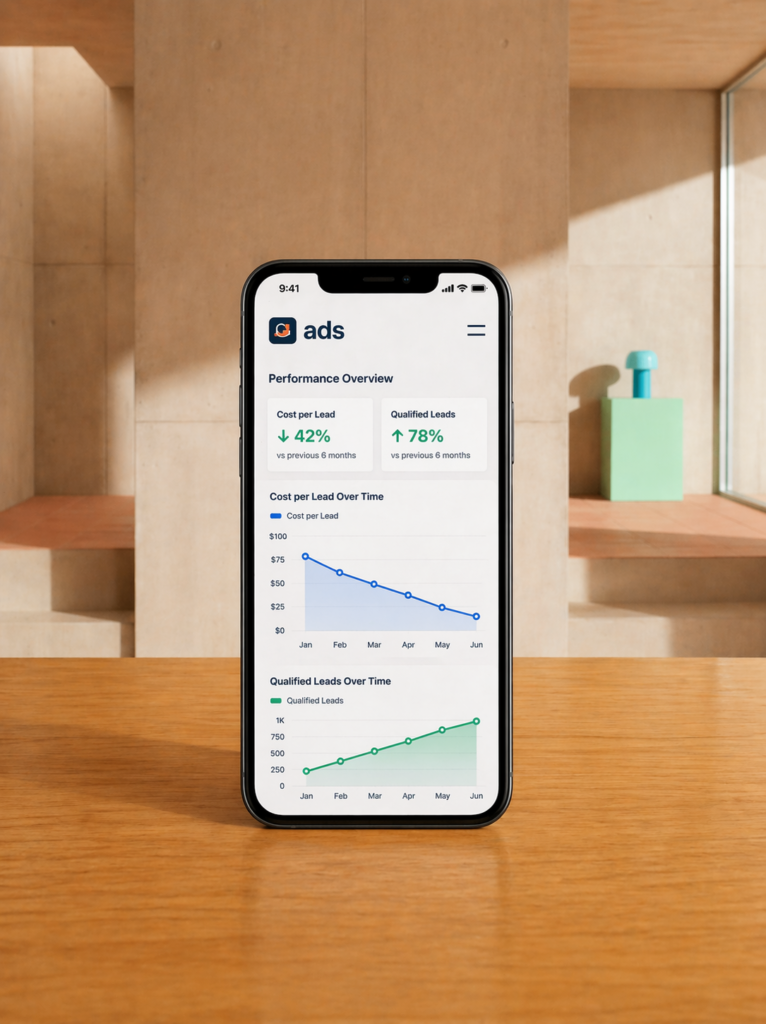
A key pillar of campaign engineering is acquisition cost reduction. This involves constant monitoring of cost per lead (CPL), cost per acquisition (CPA), and conversion rates to ensure efficiency. For example, an automotive campaign might initially target broad keywords like “SUV deals,” which generate high traffic but low conversion rates. After analysis, budget is shifted toward high-intent searches such as “SUV financing options near me,” resulting in fewer clicks but significantly higher-quality leads. Tuten and Solomon (2023) highlight that performance marketing becomes significantly more efficient when budget allocation is guided by behavioral data rather than assumptions.
Data integration is another essential component. Tools like Google Analytics 4 (GA4), Google Tag Manager (GTM), and CRM systems allow marketers to track user behavior beyond the click, including form submissions, phone calls, and appointment bookings. Lemon and Verhoef (2021) explain that customer experience across digital touchpoints directly impacts conversion outcomes, meaning even small friction points can significantly reduce lead quality. For instance, if users consistently drop off at a multi-step form, simplifying it to a single-step form can immediately improve conversion rates without increasing ad spend.
Finally, campaign engineering prioritizes lead quality over volume. High-performing systems often generate fewer leads but significantly higher conversion rates into actual sales. In automotive campaigns, this may include adding qualification filters such as budget range or vehicle preference before submission. Over time, this improves sales efficiency, reduces wasted follow-up time, and strengthens overall ROI.
Conclusion
Campaign engineering transforms digital advertising from a traffic-generation activity into a structured performance system. In industries like automotive, where acquisition costs are high and lead quality directly impacts revenue, this approach ensures that every dollar spent is optimized for measurable outcomes. By combining strategic segmentation, continuous optimization, and data-driven decision-making, businesses can reduce acquisition costs while significantly improving lead quality. Ultimately, campaign engineering is not just about running ads, it is about building systems that consistently generate profitable growth.
References
Chaffey, D., & Ellis-Chadwick, F. (2022). Digital marketing: Strategy, implementation and practice (8th ed.). Pearson.
Kingsnorth, S. (2022). Digital marketing strategy: An integrated approach to online marketing (3rd ed.). Kogan Page.
Lemon, K. N., & Verhoef, P. C. (2021). Understanding customer experience throughout the customer journey. Journal of Marketing, 85(1), 69–96.
Tuten, T. L., & Solomon, M. R. (2023). Social media marketing (4th ed.). Sage Publications.